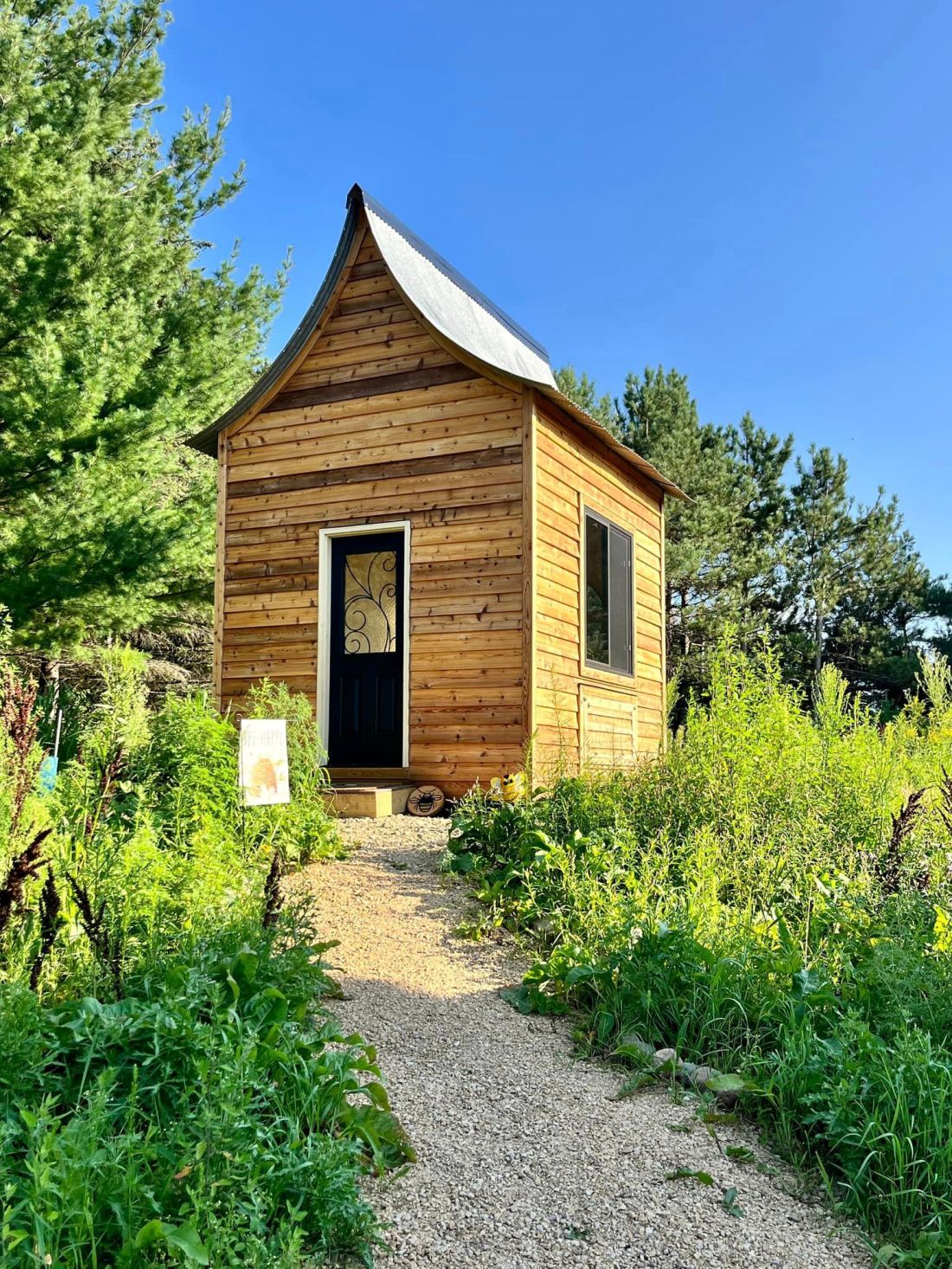
Austin Jordan and Ruth Albee have been as busy as the bees they raise since moving to the country. After buying a five-acre parcel north of Stillwater, the couple has been hard at work clearing invasive species, planting serviceberry, hybrid hazelnut and willow, and building a sun-filled cabin where visitors can come and enjoy an up-close, therapeutic experience with bees.
“We planted a willow circle over here, and also have a kiln we use to burn buckthorn and create biochar,” Austin explained with enthusiasm as he led me and my friend Katie around the aptly named Honeycomb Cottage during a recent visit (www.honeycombcottagemn.com). Ruth and Austin originally considered growing mushrooms and perennial flowers, but decided to shift their focus toward native plants and edible trees. “We’re trying to listen to the land,” said Ruth, “and let the natural environment guide what we do here.”
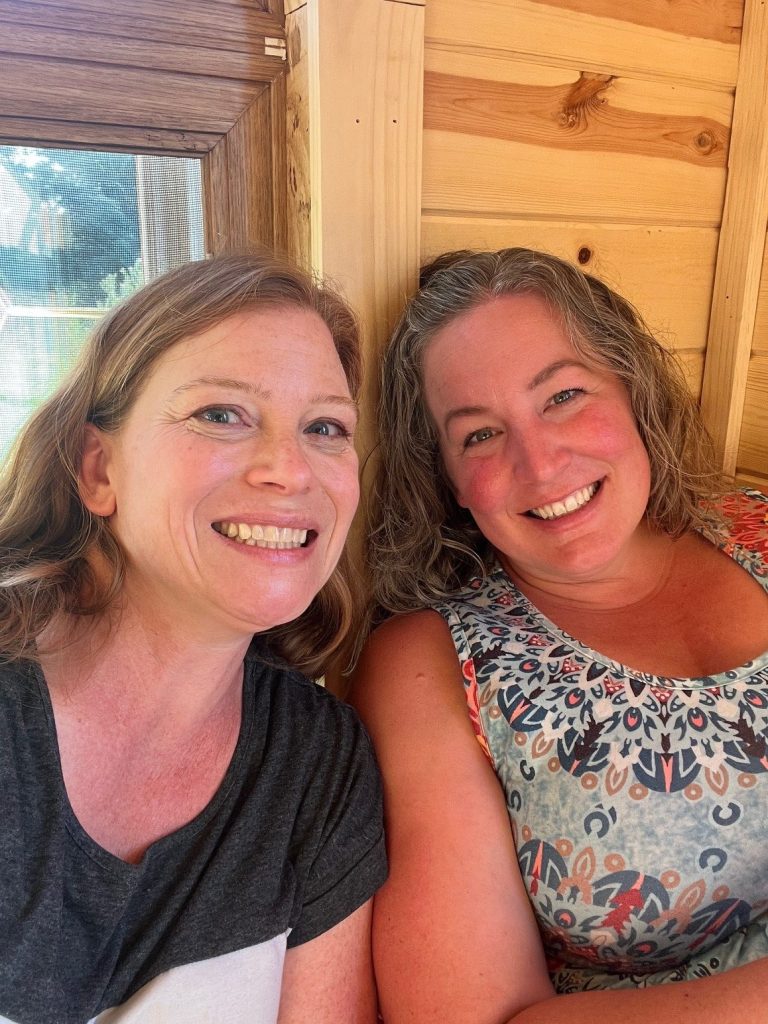


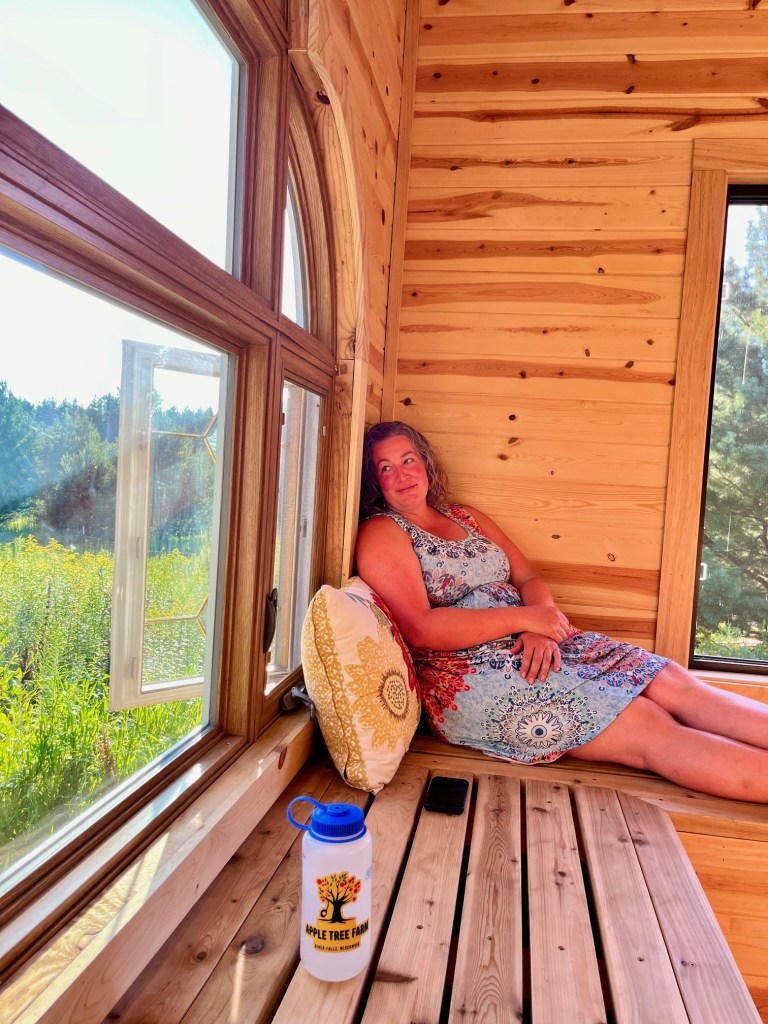
Katie and I enjoyed a sampling of herbs from the garden – lemon basil, chocolate mint, rosemary, and parsley – before following Ruth and Austin to the cottage to meet the bees. The building is strategically designed to incorporate two active beehives, while also keeping people on the inside safe and protected from stings. While inside the cottage, you can feel and hear the buzz of the hives and watch bees flying back and forth to the nearby fields. Sun streams in through large picture windows and there are pillows, benches and books, creating a cozy atmosphere for rest and relaxation. The air smells sweet, like honey and wood.
Though sitting in a cottage full of bees might seem like a strange way to spend an evening, apitherapy (bee therapy) is actually a common practice in some parts of Eastern Europe. According to the Honeycomb Cottage website, “Breathing beehive vapor, or ‘Hive Aerosol Apitherapy,’ is a recognized treatment in several countries for respiratory issues like asthma and bronchitis.” The fragrant air surrounding the hives is also believed to have anti-inflammatory, antimicrobial, and antioxidant properties. For our part, Katie and I enjoyed having an unscheduled hour to relax and enjoy conversation in the cottage, surrounded by sunshine, country charm, and softly buzzing bees.
For small farmers like Ruth and Austin, it can be challenging to find the right combination of products and services to create a farm operation that is truly sustainable, both ecologically and economically. Some farms offer consumer experiences, like pick-your-own apples or weekly produce subscriptions. Others work to establish relationships with nearby restaurants, schools, or farmers markets. Still others develop specialty niches, such as renting out goats for buckthorn control, or scheduling therapy sessions with bees. Finding affordable land to buy or rent is also a challenge for beginning farmers, especially close to the cities.

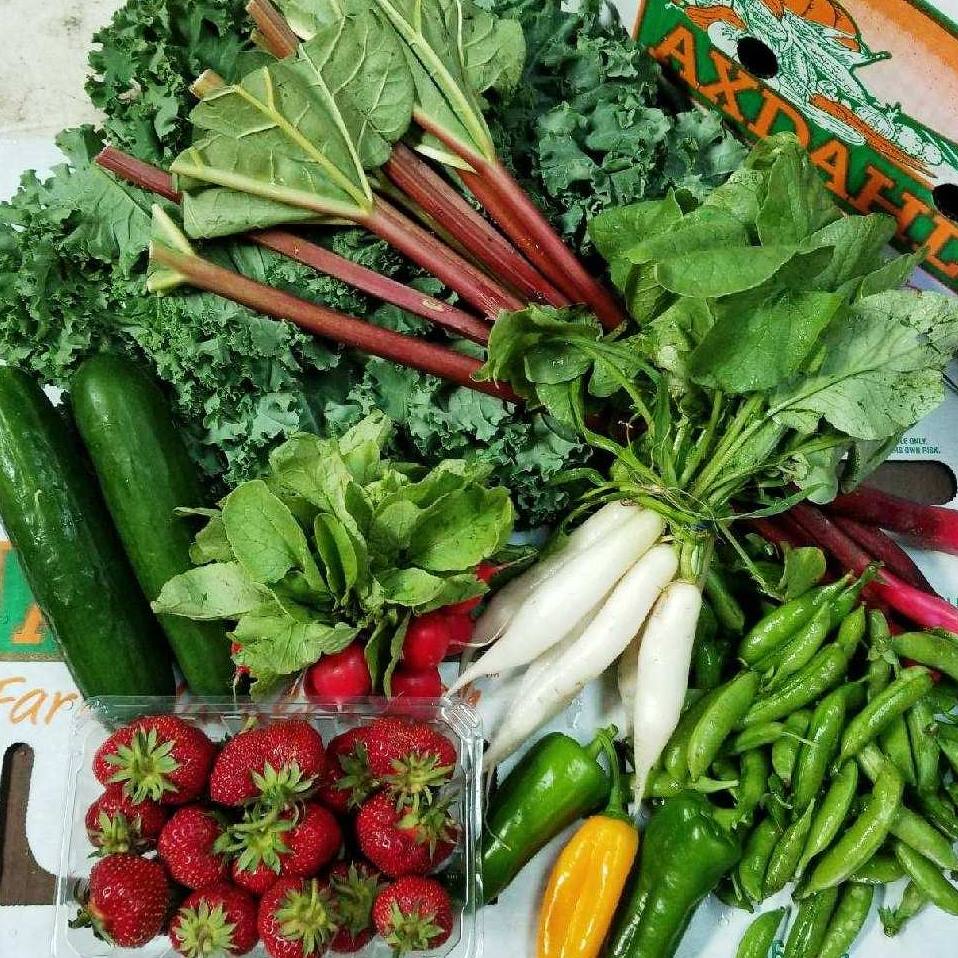

Happily, there are new resources available for small and beginning farmers in Minnesota. One is the Emerging Farmers Office at Minnesota Department of Agriculture (MDA), which offers farm business management scholarships (covers 50% of tuition), microloans (up to $20,000), and down payment assistance grants (up to $15,000) to beginning farmers. MDA also offers tax credits to landowners who rent or sell their land to beginning farmers www.mda.state.mn.us/mda-resources-emerging-farmers).
In addition, Renewing the Countryside (www.renewingthecountryside.org/farmlandaccess) and Land Stewardship Project (landstewardshipproject.org/farmland-clearinghouse) host online platforms to help connect landowners with farmers who are looking to rent or buy land.
For small farmers interested in building their knowledge and meeting other like-minded farmers, Minnesota Extension and Big River Farms offer educational programming throughout the year. A few upcoming programs include:
- Small Farm Start-Up School, Sept 11 – Oct 30 in Dassel (extension.umn.edu/event/small-farm-startup-school)
- Annie’s Project Retreat for female farmers and ranchers, Sept 21-22 in Verndale (extension.umn.edu/event/annies-project-retreat); and the
- 19th Annual Emerging Farmers Conference, Nov. 1 – 2 in Minneapolis (www.emergingfarmers.org).
Big River Farms also offers a three-year grower training program, with classes held online and in-person at their farm in northern Washington County (www.thefoodgroupmn.org/farmers).
Lastly, whether you’re raising bees, growing trees, or planting prairies, landowners in Washington County can sign-up for a free site visit with the Washington Conservation District to learn more about available grants and technical support (www.mnwcd.org).

 East Metro Water